Wild Witch of the West
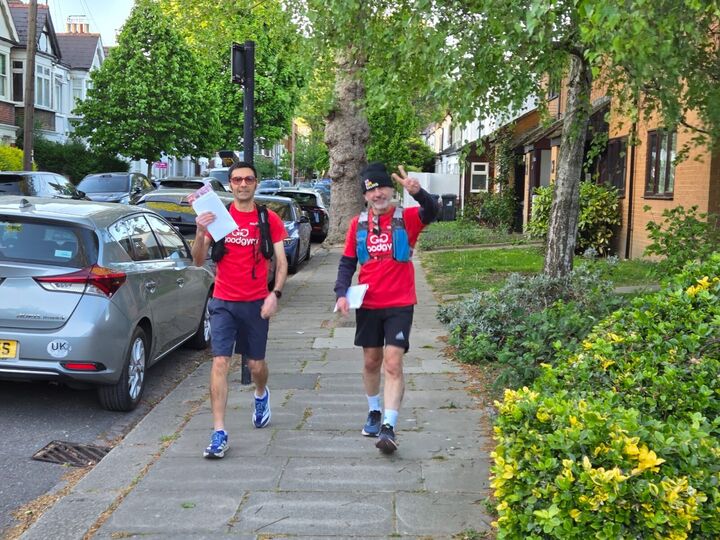
2 Goodgymers helped their local community in Ealing


1 / 7
Saturday 20th June
Credits
Report written by Kash
Share the love
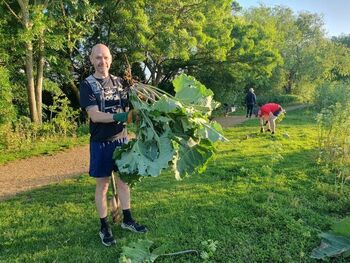
After a few months, Sevan and Kash returned to Southall Tiny Forest to find it had really gone for it - grass and wildflowers everywhere, with the whole space feeling a bit more wild and untamed than before. The wildflowers in particular were doing well and added a nice burst of colour across the site.
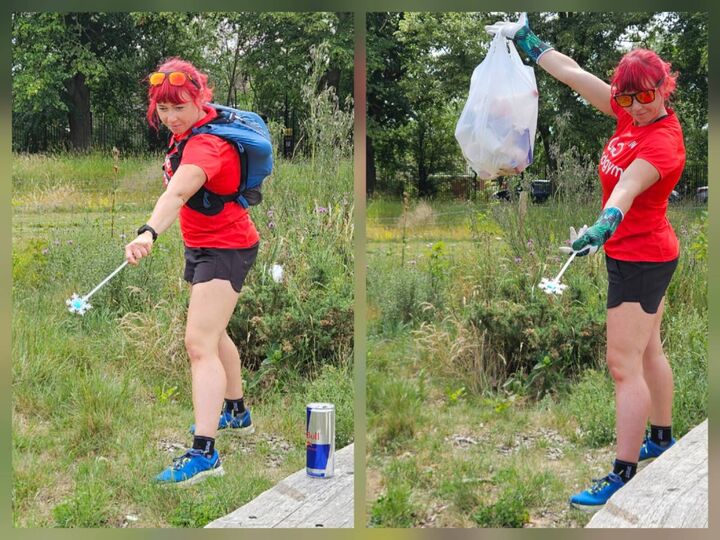
Before getting into the planned citizen science, they were greeted by a less charming discovery: litter around the benches. Food packaging, bottles, cans, single-use vapes, and plenty of cigarette butts were scattered around. Kash also found an unexpected magic wand, which was briefly put to use to make most of the rubbish disappear (cigarette butts, unfortunately, proving stubborn even for magic).
With the area tidied up, they moved on to the main task: a wildlife survey as part of biodiversity monitoring. They recorded and counted insects across the site, including butterflies, various pollinators, dragonflies and ground dwellers like ants, larvae, and slugs. Some species were tricky to identify due to their speed and their general commitment to not being looked at closely.
Compared to previous visits, they noticed more butterflies and a greater variety of species overall, which was a positive sign for the Tiny Forest’s development. Findings were logged onto the Earthwatch digital platform before the two GoodGymers split and headed off to their next task.
This task supported

Tiny Forest is a dense fast-growing native woodland of 600 trees planted densely in a tennis-court size plot, maximising benefits per m2 of land. The proponents, Earthwatch, engage with local communities to plant, maintain and monitor their forest over time. The forests reconnect people with nature and raise awareness of climate change.
See moreDiscuss this report
Join us on our next session
Ealing
Encourage women in Acton to stay active and healthy by spreading the word about free, inclusive fitness programmes.